
Flexibility and rapid innovation
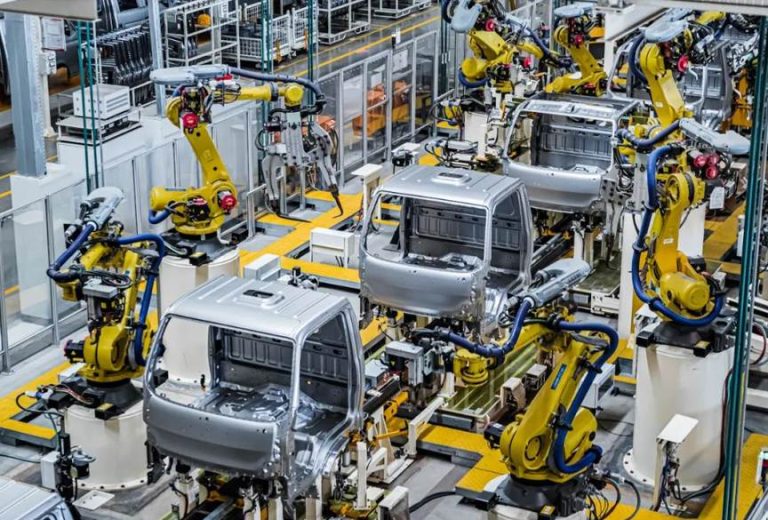
The automotive industry requires a variety of specialized materials and alloys to meet its unique requirements for safety, performance, and durability.Carefully selected materials play a critical role in the development of vehicle components, from body parts to engines and transmission systems. The automotive industry uses advanced steels and aluminum alloys for their combination of strength, lightweight, and corrosion resistance. These materials help to improve vehicle safety, efficiency and fuel economy.
Flexibility and rapid innovation
The automotive industry requires a variety of specialized materials and alloys to meet its unique requirements for safety, performance, and durability.Carefully selected materials play a critical role in the development of vehicle components, from body parts to engines and transmission systems. The automotive industry uses advanced steels and aluminum alloys for their combination of strength, lightweight, and corrosion resistance. These materials help to improve vehicle safety, efficiency and fuel economy.
Flexibility and rapid innovation
The automotive industry requires a variety of specialized materials and alloys to meet its unique requirements for safety, performance, and durability.Carefully selected materials play a critical role in the development of vehicle components, from body parts to engines and transmission systems. The automotive industry uses advanced steels and aluminum alloys for their combination of strength, lightweight, and corrosion resistance. These materials help to improve vehicle safety, efficiency and fuel economy.
